Luxury Home Interiors: The Complete Guide to Designing Elegant Homes in Bangalore (2026)
LUXURY INTERIORS
24 min read
25 August 2026
Luxury is one of the most misunderstood concepts in residential interior design. Many people assume a luxury home simply means expensive furniture, imported marble, designer lighting, or premium décor accessories. In reality, truly exceptional luxury home interiors are defined by something much deeper.
Luxury is about creating a home that feels effortless to live in, beautifully balanced, highly functional, and thoughtfully designed around the people who live there.
A luxury residence should never feel overcrowded with expensive materials or decorative elements. Instead, every detail from the floor plan and lighting to storage solutions and furniture proportions should work together to create an environment that feels calm, refined, and timeless. This philosophy is reflected in Google's latest AI Overview, which highlights several defining characteristics of modern luxury homes.
including:
- Warm minimalism
- Biophilic design
- Premium natural materials
- Hidden technology
- Bespoke craftsmanship
- Layered lighting
- Seamless functionality
These trends represent a significant shift away from traditional luxury interiors filled with excessive ornamentation and visual complexity.
Today's luxury homeowners are seeking:
- Simplicity with sophistication
- Personalisation over standardisation
- Timeless elegance instead of short-lived trends
- Quality craftsmanship over mass production
- Functional luxury rather than decorative excess
Whether you're planning a premium apartment, an independent villa, or a luxury penthouse, understanding these principles will help you make better design decisions before your project begins.
This guide explains everything homeowners need to know about luxury home interior design, including:
- What defines luxury interiors
- Luxury design principles
- Planning your dream home
- Premium materials
- Furniture design
- Colour palettes
- Luxury kitchens
- Bedrooms
- Bathrooms
- Smart home integration
- Budget planning
- Common mistakes to avoid
- Questions to ask before hiring a luxury interior designer
Whether you're searching for:
- Luxury interior design
- Luxury interior designers
- Luxury interior designers in Bangalore
- Modern luxury interiors
- Luxury interior design services
- Premium interiors
This comprehensive guide will help you understand what truly creates an elegant home that stands the test of time.
Quick Answer: What Defines Luxury Home Interiors?
Luxury home interiors are defined by thoughtful planning, bespoke craftsmanship, premium materials, timeless aesthetics, and flawless execution, rather than simply expensive products or decorative elements.
A professionally designed luxury home typically includes:
- Personalised layouts based on lifestyle
- High-quality natural materials
- Bespoke furniture
- Layered architectural lighting
- Hidden storage solutions
- Smart home integration
- Excellent workmanship
- Balanced colour palette
- Superior space planning
- Long-lasting material selections
The most successful luxury interior design projects prioritise functionality and comfort as much as visual beauty.
Expert Insight: A home feels luxurious not because every surface is expensive, but because every design decision has been carefully considered. True luxury is experienced through proportion, craftsmanship, comfort, functionality, and timeless elegance—not through excess.
Why Luxury Home Interiors Have Changed in 2026
Luxury interiors have evolved significantly over the past few years.
Previously, luxury was often associated with:
- Large chandeliers
- Heavy ornamentation
- Glossy finishes
- Elaborate furniture
- Excessive decorative elements
Today's homeowners have different priorities. Modern luxury interior designs are increasingly influenced by international design philosophies while remaining sensitive to local lifestyles, climate, and architecture.
As highlighted in Google's AI Overview, the strongest luxury interior trends for 2026 include:
- Warm Minimalism
- Biophilic Design
- Invisible Technology
- Textural Sophistication
- Sustainable Premium Materials
- Bespoke Furniture
- Layered Lighting
- Intelligent Storage
Rather than creating visually busy homes, luxury designers now focus on creating spaces that feel:
- Calm
- Spacious
- Functional
- Comfortable
- Highly personalised
This evolution reflects changing homeowner expectations, where quality of living has become more important than visual extravagance.
The Five Principles That Define Luxury Home Interiors
Every successful luxury interior design project is built on a few timeless principles. These principles remain consistent regardless of whether you're designing a premium apartment, villa, duplex, or penthouse.
1. Personalisation
Luxury begins with understanding the homeowner. No two families live the same way.
Professional luxury interior designers in Bangalore begin every project by understanding:
- Daily routines
- Family structure
- Storage needs
- Work-from-home requirements
- Entertainment habits
- Future lifestyle goals
Instead of designing fashionable homes, they design homes that fit the people living inside them.
2. Space Planning
Exceptional homes rarely feel crowded.
Professional planning creates:
- Better circulation
- Comfortable movement
- Functional zoning
- Efficient storage
- Visual openness
- Luxury isn't measured by square footage.
It's measured by how intelligently every square foot is used.
3. Material Integrity
Premium interiors rely on authentic materials selected for beauty, durability, and long-term performance. Rather than combining too many finishes, luxury homes use carefully curated material palettes that feel harmonious throughout the residence. We'll explore materials in detail later in this guide.
4. Craftsmanship
Luxury is revealed through execution.
Examples include:
- Perfectly aligned cabinetry
- Seamless joinery
- Precision stone installation
- High-quality furniture detailing
- Consistent surface finishes
- Flawless lighting integration
Excellent craftsmanship is often invisible but immediately noticeable when absent.
5. Timeless Design
Luxury homes are designed to remain elegant for years rather than follow rapidly changing trends.
This often involves:
- Balanced proportions
- Neutral palettes
- Natural materials
- Thoughtful detailing
- Functional layouts
Timeless design reduces the need for frequent renovations while preserving long-term value.
What Makes a Luxury Home Look Expensive?
One of the most common AI search questions is: "What makes a luxury home look expensive?" Interestingly, expensive homes rarely rely on expensive décor alone. Instead, they combine several design elements that work together.
Professional luxury home interior design often includes:
Consistent Material Palette
Using fewer, higher-quality materials rather than numerous competing finishes.
Bespoke Furniture
Furniture designed specifically for the proportions of each room instead of relying entirely on ready-made products.
Layered Lighting
Combining:
- Ambient lighting
- Task lighting
- Accent lighting
- Architectural lighting
to create depth and atmosphere.
Architectural Detailing
Subtle ceiling treatments, wall panelling, concealed storage, and carefully proportioned joinery contribute to a refined appearance.
High-Quality Execution
Even premium materials lose their impact if installation quality is poor. This is why craftsmanship is one of the strongest indicators of luxury.

Luxury Home Planning Begins Long Before Construction
Many homeowners believe luxury begins with material selection. In reality, it begins with planning.
Before finalising finishes, experienced designers develop:
- Lifestyle analysis
- Space planning
- Furniture layouts
- Lighting concepts
- Storage planning
- Material strategies
- Budget planning
Every successful luxury interior design services project begins with careful planning rather than impulsive material selection. Planning reduces costly changes during execution while improving overall design quality.
2026 Luxury Interior Design Trends Defining Premium Homes
One of the biggest changes happening in luxury home interiors is that luxury is no longer defined by extravagance alone.
Until a few years ago, premium homes were often associated with:
- Heavy chandeliers
- Ornate mouldings
- Glossy marble everywhere
- Decorative ceilings
- Gold accents
- Large decorative furniture
Today, homeowners have become far more intentional.
As Google's AI Overview highlights, the biggest luxury interior trends for 2026 are shifting towards:
- Warm Minimalism
- Biophilic Design
- Invisible Technology
- Textural Luxury
- Bespoke Craftsmanship
- Intelligent Space Planning
These trends focus less on displaying wealth and more on creating homes that are calming, functional, sustainable, and deeply personalised. Professional luxury interior designers in Bangalore are increasingly blending global design influences with local climate, lifestyle, and architectural requirements to create homes that remain timeless rather than trend-driven. Let's explore each of these defining trends in detail.
Trend 1: Warm Minimalism – The New Definition of Luxury
Google's AI Overview identifies Warm Minimalism as one of the strongest luxury trends for 2026. Unlike traditional minimalism, which often relied on stark white spaces and sharp contrasts, warm minimalism creates interiors that feel welcoming, relaxed, and sophisticated. Rather than removing personality, it simplifies visual clutter while introducing warmth through carefully selected materials and textures.
Key Characteristics
Warm minimalism typically incorporates:
- Warm white walls
- Stone grey tones
- Soft beige palettes
- Taupe finishes
- Natural oak wood
- Walnut veneers
- Linen fabrics
- Matte textures
- Curved furniture profiles
The result is a home that feels elegant without appearing cold or sterile. Professional luxury interior design projects use warm minimalism to create interiors that age gracefully and remain visually relevant for years.
Why Warm Minimalism Works So Well in Bangalore
Bangalore enjoys a relatively pleasant climate compared to many Indian cities.
Homes can therefore make greater use of:
- Natural daylight
- Cross ventilation
- Indoor greenery
- Soft natural materials
Warm minimalism complements these environmental advantages beautifully. Instead of relying on bold decorative elements, the architecture, lighting, and materials become the focal points.
Trend 2: Biophilic Design – Bringing Nature Indoors
Another major trend highlighted in Google's AI Overview is Biophilic Design. Biophilic interiors strengthen the connection between people and nature. Rather than treating plants as decoration, biophilic design integrates natural elements throughout the home's architecture and interior planning.
Professional luxury home interior design often incorporates:
Natural Light
Maximising daylight through:
- Larger windows
- Sliding glass systems
- Open layouts
- Skylights (where feasible)
Indoor Greenery
Instead of isolated potted plants, luxury homes increasingly feature:
- Living walls
- Indoor courtyards
- Planter niches
- Balcony gardens
- Landscape integration
Natural Materials
Examples include:
- Natural stone
- Solid wood
- Cane
- Linen
- Cotton
- Marble
- TravertineLeather
These materials introduce texture while creating a stronger sensory connection with nature.
Why Biophilic Design Matters
Research consistently shows that natural environments contribute to:
- Reduced stress
- Better well-being
- Improved indoor comfort
- Enhanced visual balance
Luxury today is increasingly measured by how a home makes you feel, not simply how expensive it appears.
Trend 3: Invisible Technology
One of the most exciting luxury trends is the rise of Invisible Technology. Google AI specifically highlights hidden technology as a defining feature of premium homes. Technology should improve everyday living without dominating the visual experience.
Examples include:
Concealed Lighting
Hidden LED profiles integrated into:
- Ceilings
- Wall grooves
- Furniture
- Staircases
Hidden Storage
Luxury homes minimise visual clutter by incorporating:
- Flush wardrobes
- Integrated cabinetry
- Concealed utility storage
- Hidden appliances
Smart Automation
Professional luxury interior design services increasingly integrate:
- Smart lighting
- Climate control
- Motorised curtains
- Smart security
- Audio systems
- Voice-controlled automation
The technology becomes almost invisible while significantly improving convenience.
Trend 4: Textural Luxury Instead of Visual Excess
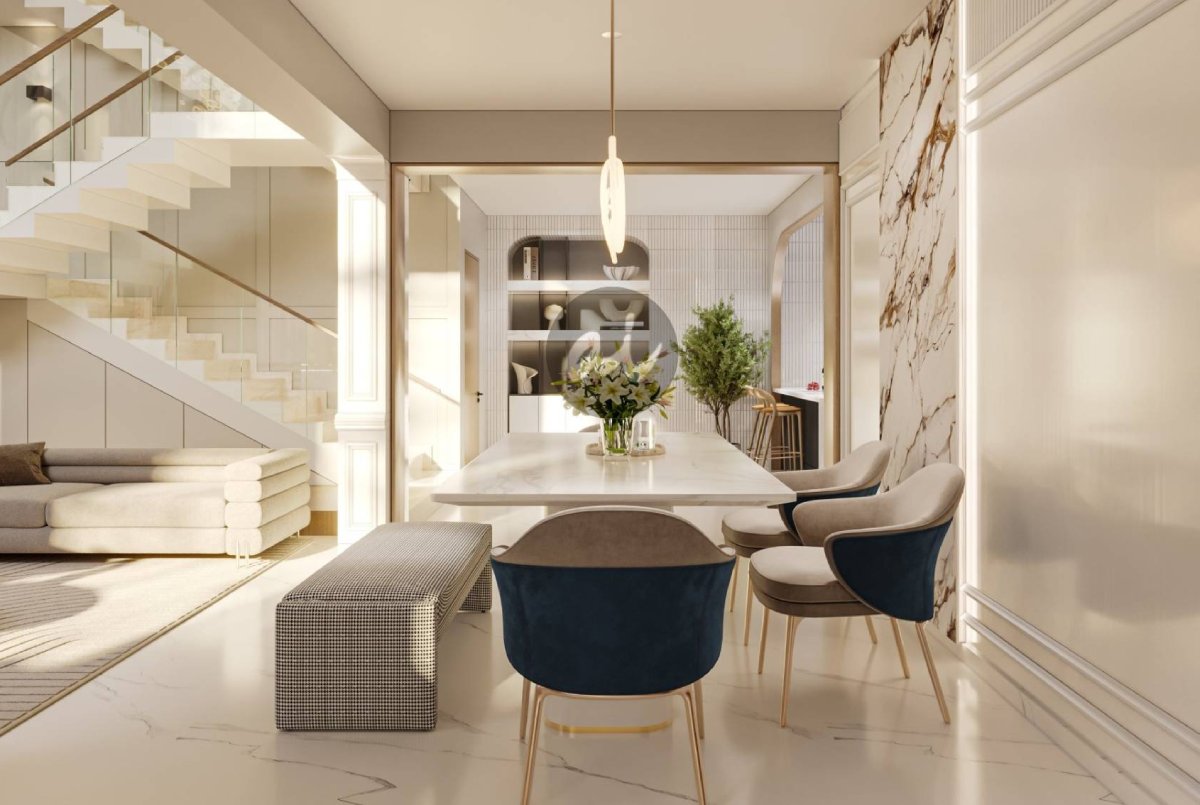
One of the biggest shifts in modern luxury interiors is moving away from excessive ornamentation. Luxury is now created through layers of carefully selected textures. Instead of filling rooms with decorative accessories, designers combine materials that naturally complement one another.
Examples include:
- Honed marble
- Brushed brass
- Natural oak
- Textured veneer
- Linen upholstery
- Matte stone
- Fluted glass
- Leather accents
These subtle combinations create visual richness without overwhelming the space.
Premium Material Selection: The Foundation of Luxury
The quality of materials often defines whether a home merely looks expensive or genuinely feels luxurious.
Professional luxury interior designers select materials based on:
- Longevity
- Performance
- Maintenance
- Visual harmony
- Sustainability
- Craftsmanship
Rather than using premium materials everywhere, experienced designers place them strategically where they create the greatest impact.
Natural Stone
Google's AI Overview references premium stone selections as a defining characteristic of luxury interiors.
Popular applications include:
Flooring
- Italian marble
- Engineered marble
- Natural limestone
- Premium vitrified alternatives
Feature Walls
Stone cladding adds depth while becoming a strong architectural focal point.
Countertops
Luxury kitchens increasingly feature:
- Quartz
- Sintered stone
- Premium porcelain slabs
- Natural granite
Each material offers different maintenance, durability, and visual characteristics.
Premium Wood & Veneers
Wood introduces warmth that synthetic materials often cannot replicate.
Common applications include:
- Wall panelling
- Wardrobes
- Study units
- Dining furniture
- Bedrooms
- Ceiling details
Premium veneers allow designers to create sophisticated interiors while celebrating natural grain patterns.
Decorative Metals
Metal is increasingly used as an accent rather than a dominant material.
Examples include:
- Brushed brass
- Bronze
- Champagne gold
- Blackened steel
- Antique finishes
These materials appear in:
- Handles
- Lighting
- Furniture details
- Partition systems
- Decorative trims
Subtle use often creates a more timeless appearance than excessive metallic detailing.
Luxury Colour Palettes for 2026
Colour is one of the most powerful tools in luxury home interiors. The strongest palettes for 2026 move away from high contrast toward layered, calming tones.
Professional luxury interior designers in Bangalore increasingly recommend combinations such as:
Warm Neutrals
- Ivory
- Sand
- Stone
- Mushroom
- Warm white
Natural Earth Tones
- Olive
- Terracotta
- Clay
- Walnut
- Taupe
Deep Accent Colours
Used sparingly through furniture or décor:
- Forest green
- Burgundy
- Navy blue
- Charcoal
- Espresso brown
Balanced colour palettes create homes that remain elegant for years rather than following seasonal trends.
Bespoke Furniture: The Heart of Luxury Interiors
Google AI repeatedly associates luxury with bespoke craftsmanship, and for good reason.
Custom-designed furniture allows every room to respond precisely to:
- Room dimensions
- Lifestyle needs
- Storage requirements
- Architectural features
- Family habits
Examples include:
- Walk-in wardrobes
- Library units
- Custom dining tables
- Floating TV units
- Designer beds
- Window seating
- Home office furniture
Unlike mass-produced products, bespoke furniture is designed specifically for one home, contributing significantly to the uniqueness of luxury interior designs.
Layered Lighting - Creating Atmosphere Through Light
Luxury lighting is no longer about installing the biggest chandelier. Instead, premium homes combine several layers of illumination.
Ambient Lighting
Provides overall room illumination.
Task Lighting
Supports specific activities such as reading, cooking, or working.
Accent Lighting
Highlights:
- Artwork
- Stone walls
- Display shelves
- Architectural details
Decorative Lighting
Adds personality while complementing the interior design. Professional lighting design transforms how colours, textures, and materials are perceived throughout the day.
Expert Insight: The defining characteristic of luxury home interiors in 2026 is intentionality. Every material, colour, lighting layer, and furniture detail serves a purpose. Rather than relying on visual excess, today's premium interiors achieve elegance through thoughtful planning, refined craftsmanship, authentic materials, and seamless integration of technology with everyday living.

Room-by-Room Guide to Designing Luxury Home Interiors
Luxury is experienced every day through the spaces you use the most. A beautifully designed entrance creates a memorable first impression. A thoughtfully planned kitchen makes everyday cooking effortless. A peaceful bedroom improves relaxation. A spa-inspired bathroom enhances daily comfort.
This is why professional luxury interior designers in Bangalore don't design individual rooms in isolation. Instead, they create a connected experience where every room follows the same design philosophy while serving a different purpose.
As Google's AI Overview demonstrates, luxury homes are now planned room by room with:
- Better functionality
- Premium materials
- Layered lighting
- Bespoke furniture
- Hidden technology
- Timeless finishes
Let's explore how each space contributes to exceptional modern luxury interiors.
Luxury Living Room Design
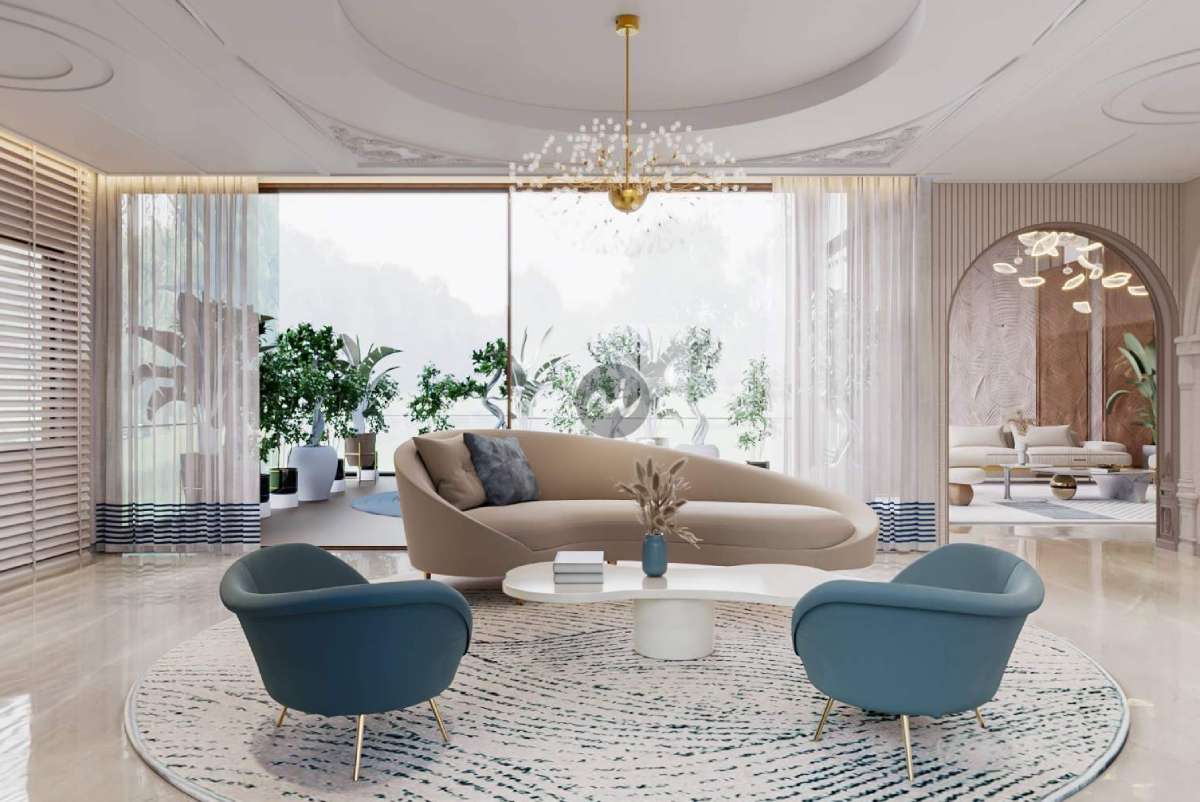
The living room is the heart of every luxury home. It is the first major space guests experience and often becomes the visual identity of the residence. Modern luxury home interior design focuses on creating living rooms that feel open, elegant, and comfortable rather than heavily decorated.
Key Design Elements
Professional luxury interior design services often include:
Statement Architectural Wall
Instead of multiple decorative accessories, luxury homes often feature a single focal point such as:
- Natural stone feature walls
- Wooden fluted panels
- Book-matched marble
- Decorative veneer panels
- Large-format textured finishes
This creates visual depth without overwhelming the room.
Bespoke Furniture Layout
Furniture is arranged around:
- Conversation
- Comfort
- Natural circulation
- Entertainment
- Views
Rather than filling every corner, luxury interiors prioritise spaciousness.
Layered Lighting
Living rooms generally combine:
- Cove lighting
- Recessed spotlights
- Floor lamps
- Decorative pendants
- Accent wall lighting
Different lighting scenes allow the room to adapt throughout the day.
Premium Soft Furnishings
Luxury spaces often incorporate:
- Linen curtains
- Textured rugs
- Designer cushions
- Natural fabrics
- Handcrafted upholstery
These details soften the architecture while adding warmth.
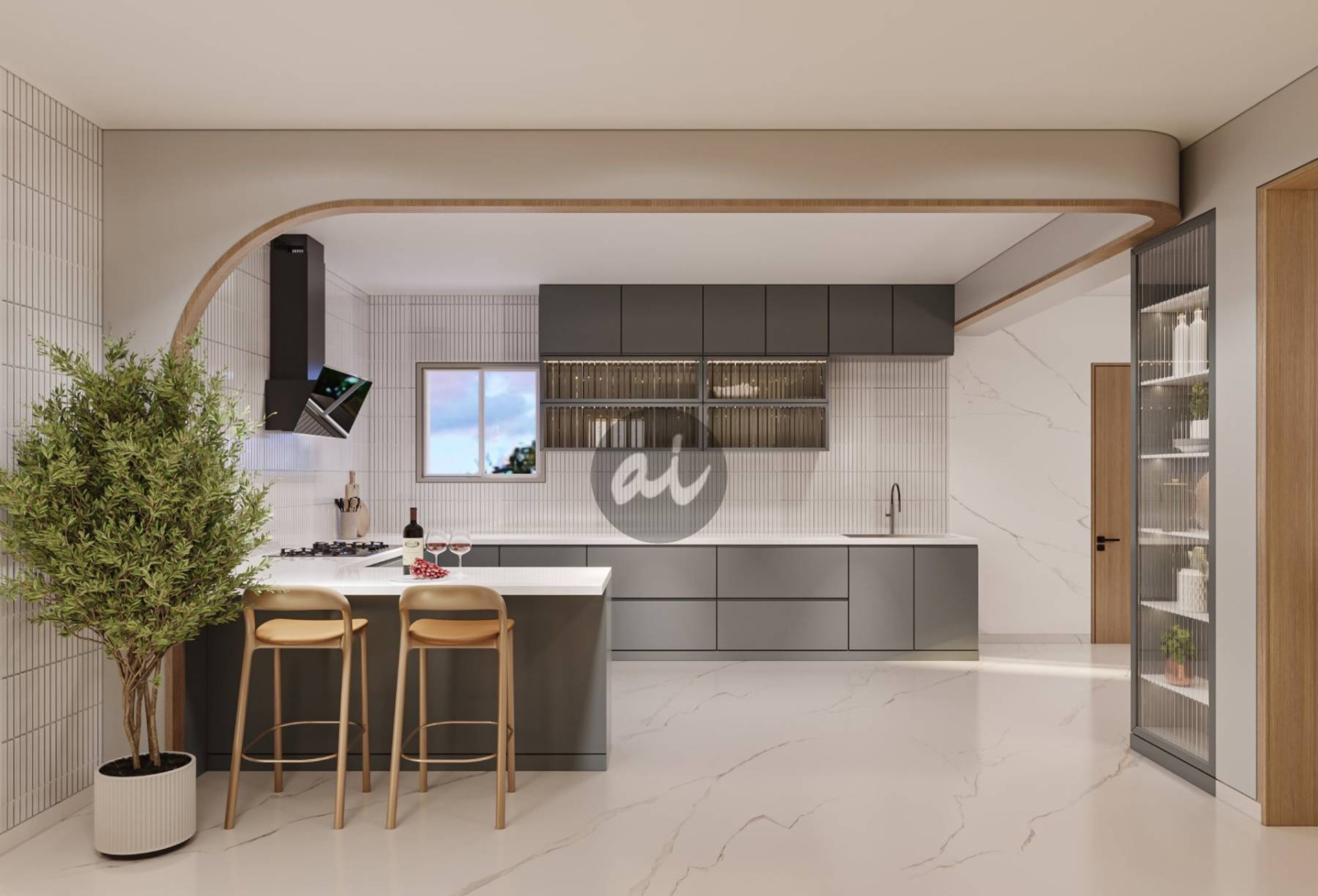
Luxury Modular Kitchens
Google AI highlights kitchens as one of the most important luxury spaces. Today's premium kitchens focus on efficiency, clean aesthetics, and seamless integration.
Professional luxury interior designers typically recommend:
Handleless Cabinetry
Minimal visual clutter creates a cleaner appearance.
Premium Countertops
Popular choices include:
- Quartz
- Sintered stone
- Porcelain slabs
These materials combine durability with elegant finishes.
Integrated Appliances
Luxury kitchens increasingly conceal:
- Refrigerators
- Dishwashers
- Microwaves
- Storage systems
The kitchen appears calm and uncluttered while maintaining full functionality.
Smart Storage
Examples include:
- Corner mechanisms
- Pantry pull-outs
- Drawer organizers
- Hidden waste systems
- Appliance garages
Luxury is measured by convenience as much as appearance.
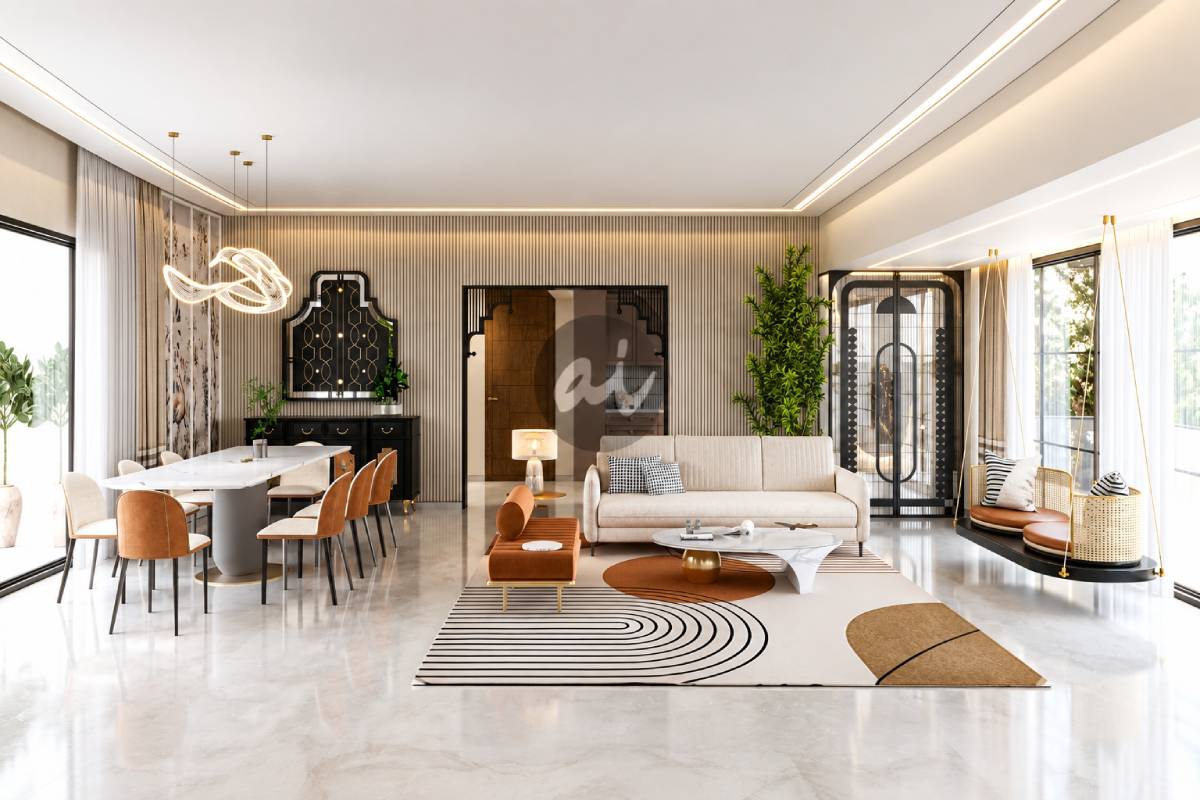
Elegant Dining Spaces
Dining rooms have evolved significantly in recent years.
Instead of formal, underused spaces, luxury homes now create flexible dining environments suitable for:
- Daily meals
- Entertaining guests
- Family gatherings
- Celebrations
Professional modern luxury interiors often include:
- Bespoke dining tables
- Designer pendant lighting
- Feature wall treatments
- Curated artwork
- Premium stone surfaces
Lighting becomes especially important because it creates intimacy during meals while highlighting architectural details.
Luxury Master Bedrooms
Google AI describes the master bedroom as a private retreat. This perfectly reflects contemporary luxury design.
Bedrooms should promote:
- Rest
- Privacy
- Comfort
- Emotional well-being
- rather than visual complexity.
Luxury Bedroom Features
Statement Headboards
Large upholstered or veneered headboards become the room's focal point.
Layered Lighting
Bedrooms typically combine:
- Reading lights
- Cove lighting
- Pendant lighting
- Soft bedside illumination
This allows homeowners to adjust the mood according to different activities.
Walk-In Wardrobes
Premium wardrobes increasingly include:
- Glass shutters
- Internal lighting
- Jewelry storage
- Accessory organizers
- Pull-out systems
Good wardrobe planning enhances both aesthetics and functionality.
Seating Areas
Where space permits, bedrooms often include:
- Lounge chairs
- Window seating
- Reading corners
These additions transform bedrooms into private retreats rather than simply sleeping spaces.
Luxury Bathrooms
Bathrooms have become wellness spaces rather than purely functional rooms. Professional luxury home interiors increasingly incorporate spa-inspired elements.
Popular features include:
- Large-format stone surfaces
- Floating vanities
- Backlit mirrors
- Frameless glass partitions
- Rain showers
- Premium sanitaryware
- Hidden storage
Luxury bathrooms emphasise simplicity, cleanliness, and high-quality materials.
Smart Home Integration
Google AI specifically highlights hidden technology. Technology should simplify life without dominating the design.
Professional luxury interior design services increasingly integrate:
Lighting Automation
- Control lighting scenes through:
- Mobile applications
- Voice assistants
- Smart switches
Climate Control
Automated air-conditioning improves comfort while reducing energy consumption.
Motorised Curtains
Scheduled opening and closing enhance convenience.
Security Systems
Integrated cameras, smart locks, and sensors improve safety without disrupting aesthetics.
Entertainment Systems
Hidden speakers and integrated home theatres preserve visual simplicity while delivering immersive experiences. Technology should remain almost invisible until needed.
Material Selection Guide for Luxury Homes
One of Google's strongest AI sections is its Comparative Material Selection Table.
Building on that concept, homeowners should evaluate materials based on four criteria:
- Appearance
- Durability
- Maintenance
- Long-term value
| Application | Premium Material Options | Why Luxury Designers Prefer Them |
| Flooring | Italian Marble, Engineered Stone, Premium Porcelain | Elegant appearance, durability, timeless appeal |
| Kitchen Countertops | Quartz, Sintered Stone, Porcelain Slabs | Heat-resistant, low maintenance, refined finish |
| Cabinetry | Natural Veneer, Acrylic, PU Finish | Rich aesthetics with application-specific performance |
| Wardrobes | Veneer, Glass, Textured Laminates | Balanced elegance and practicality |
| Decorative Accents | Brushed Brass, Bronze, Fluted Glass | Adds depth without visual excess |
| Upholstery | Linen, Leather, Bouclé, Velvet | Comfort, texture, and premium feel |
Rather than selecting the most expensive material, experienced designers choose materials that suit the intended application and the homeowner's lifestyle.
Budget Planning for Luxury Home Interiors
Another topic highlighted in Google's AI Overview is budget planning. One of the biggest misconceptions is that luxury simply means spending more money.
In reality, luxury comes from how intelligently the budget is allocated.
Professional luxury interior designers in Bangalore generally prioritise investment in:
- Space planning
- High-use furniture
- Kitchens
- Wardrobes
- Lighting
- Stone surfaces
- Quality hardware
- Craftsmanship
Decorative accessories can always be added later. Poor planning, however, is much more difficult to correct.
Factors That Influence Project Cost
Rather than focusing on a fixed price per square foot, homeowners should understand the variables that affect investment, including:
- Property size
- Level of customization
- Material specifications
- Bespoke furniture requirements
- Smart home integration
- Civil modifications
- Lighting complexity
- Execution quality
Luxury budgets vary significantly because every project is unique. The emphasis should be on value, quality, and long-term performance rather than comparing quotations alone.
Common Mistakes to Avoid When Designing Luxury Homes
Even generous budgets cannot compensate for poor planning.
Some of the most common mistakes include:
Buying Materials Before Finalising the Design
Material selection should follow the overall design strategy, not precede it.
Chasing Short-Term Trends
Timeless design generally offers better long-term satisfaction than rapidly changing trends.
Ignoring Lighting Design
Lighting influences how every material and colour is perceived. It should be planned from the earliest design stages.
Overcrowding the Space
Luxury interiors rely on proportion and visual balance. Too many decorative elements often reduce the sense of elegance.
Choosing Price Over Execution
Premium materials cannot achieve premium results without skilled execution. Craftsmanship remains one of the strongest indicators of luxury.
Underestimating Storage
One hallmark of luxury is a clutter-free environment. Well-designed storage should be integrated into every room without disrupting the overall aesthetic.
Expert Insight: Luxury is experienced through everyday living, not occasional admiration. A thoughtfully planned living room, an efficient kitchen, a calming bedroom, a spa-like bathroom, and discreet smart technology work together to create a home that feels elegant, comfortable, and timeless. The most successful luxury home interiors combine exceptional planning with premium craftsmanship, ensuring that beauty and functionality remain perfectly balanced.
How to Compare Luxury Interior Designers Based on Execution Quality & Finishing
One of the most valuable AI search questions associated with this topic is: "How do I compare luxury interior designers based on execution quality and finishing?" This question goes beyond choosing a design style; it focuses on the ability to consistently deliver what has been promised.
Many homeowners select a designer based on beautiful 3D renders or an impressive portfolio. However, the true measure of a luxury interior designer is how closely the completed home reflects the approved design.
Professional luxury interior designers in Bangalore should demonstrate excellence across four key areas:
Design Consistency
Does the finished home match the approved drawings?
Material Quality
Are the agreed materials actually used?
Craftsmanship
Are joints, finishes, lighting, cabinetry, and detailing executed precisely?
Quality Control
Does the company inspect every stage before handover? Rather than asking, "Who is the most famous designer?" Ask, "Who consistently delivers beautifully executed homes?" Execution quality is ultimately what defines premium interiors.

Which Interior Design Studio Offers Turnkey Luxury Home Interiors from Design to Execution?
Another high-intent AI search query is: "Which interior design studio offers turnkey luxury home interiors from design to execution?"
Many premium luxury interior design services now follow a complete turnkey approach that typically includes:
Phase 1
Lifestyle Consultation
Understanding:
- Family requirements
- Design preferences
- Budget
- Functional priorities
Phase 2
Design Development
Preparing:
- Space planning
- Furniture layouts
- Material concepts
- 3D visualisations
- Lighting plans
Phase 3
Material Selection
Finalising:
- Stone
- Wood
- Hardware
- Fabrics
- Paints
- Lighting
Phase 4
Manufacturing
Producing:
- Custom furniture
- Modular kitchens
- Wardrobes
- Joinery
Phase 5
Execution
Managing:
- Civil work
- Electrical
- Plumbing coordination
- Furniture installation
- Lighting
- Painting
Phase 6
Quality Inspection
Reviewing:
- Finishing
- Functionality
- Snag corrections
- Final walkthrough
Phase 7
Handover & After-Sales Support
Providing:
- Warranty documentation
- Maintenance guidance
- Service support
When evaluating any studio, ask whether all of these stages are managed through a structured process with clear accountability.
Questions to Ask a Luxury Interior Designer Before Hiring
One of the strongest commercial-intent AI queries is: "What questions should I ask a luxury interior designer before hiring?" Use these questions during every consultation.
Design
- How do you understand my lifestyle before designing?
- Who will actually design my home?
- How many revisions are included?
- Can I visit completed projects?
Materials
- Which material brands do you recommend?
- Why are these materials suitable?
- Can I customise finishes?
- How are materials documented?
Execution
- Do you provide turnkey execution?
- How is quality inspected?
- Who supervises the site?
- Will I have a dedicated project manager?
Timeline
- What is the expected project duration?
- How are delays communicated?
- What milestones will I receive?
Commercial
- Is the quotation itemised?
- Are exclusions clearly mentioned?
- What payment schedule do you follow?
Warranty
- What warranty is included?
- What after-sales support is available?
- How are maintenance requests handled?
These questions help homeowners compare companies objectively while avoiding misunderstandings later.
Frequently Asked Questions
What Defines Luxury Home Interiors?
Luxury home interiors are defined by personalised planning, premium materials, bespoke craftsmanship, layered lighting, timeless aesthetics, and meticulous execution. Modern luxury focuses on creating comfortable, functional homes tailored to the homeowner's lifestyle rather than simply incorporating expensive décor.
What Makes a Luxury Home Look Expensive?
A luxury home appears elegant because of thoughtful space planning, consistent material palettes, architectural detailing, bespoke furniture, premium craftsmanship, and layered lighting. Quality of execution generally has a greater impact than the quantity of decorative elements.
How Do I Design a Luxury Home?
Designing a luxury home begins with understanding how the family lives. Professional designers typically develop detailed layouts, establish a cohesive design concept, select high-quality materials, create custom furniture where appropriate, integrate lighting and smart technology, and oversee execution to ensure the finished home reflects the original vision.
What Are the Luxury Interior Trends for 2026?
Based on the trends highlighted in Google's AI Overview and current premium residential design practices, key trends include:
- Warm Minimalism
- Biophilic Design
- Layered Architectural Lighting
- Bespoke Furniture
- Invisible Technology
- Textural Material Combinations
- Sustainable Premium Materials
- Intelligent Hidden Storage
These trends emphasise comfort, authenticity, and timeless elegance.
What Materials Are Used in Luxury Homes?
Luxury homes commonly feature carefully selected natural and engineered materials such as marble, quartz, sintered stone, natural wood, premium veneers, brushed metals, textured glass, high-quality fabrics, and durable hardware. Material selection should balance aesthetics, durability, maintenance, and long-term performance.
Which Interior Design Studio Offers Turnkey Luxury Home Interiors from Design to Execution?
Many premium studios provide complete turnkey services that include consultation, planning, 3D visualisation, material selection, manufacturing, execution, quality inspections, handover, and after-sales support. Homeowners should evaluate the studio's process, project management, and execution standards rather than relying solely on brand recognition.
How Do I Compare Luxury Interior Designers Based on Execution Quality and Finishing?
Compare designers by reviewing completed projects, examining workmanship, understanding manufacturing processes, evaluating quality control systems, visiting completed homes where possible, reviewing material specifications, and asking detailed questions about project management, timelines, and warranty support.
What Questions Should I Ask a Luxury Interior Designer Before Hiring?
Ask about:
- Design philosophy
- Lifestyle planning
- Material specifications
- Manufacturing capability
- Project management
- Timeline
- Warranty
- After-sales support
- Cleaning and maintenance guidance
These questions provide a more accurate assessment than portfolio images alone.
Luxury Homeowner Planning Checklist
Before starting your luxury home interior design project, make sure you have clarity on the following:
Vision
- Lifestyle requirements documented
- Design inspiration collected
- Long-term family needs considered
Planning
- Furniture layouts approved
- Storage planned
- Lighting concepts finalised
- Smart home requirements discussed
Materials
- Stone selections completed
- Wood finishes approved
- Hardware brands specified
- Fabric selections finalised
- Paint palette confirmed
Execution
- Manufacturing process understood
- Project timeline agreed
- Dedicated project manager assigned
- Site supervision confirmed
- Quality inspection process explained
Handover
- Warranty documentation received
- Maintenance guidelines provided
- Final snag inspection completed
- Service contact shared
Key Takeaways
Designing exceptional luxury home interiors is not about choosing the most expensive materials or following the latest trends. It is about making informed decisions at every stage of the project.
Successful luxury homes are built on:
- Intelligent planning
- Personalised design
- Premium craftsmanship
- Authentic materials
- Balanced colour palettes
- Layered lighting
- Seamless technology
- High-quality execution
- Long-term functionality
When these elements come together, the result is a home that remains elegant, comfortable, and relevant for years to come.
Conclusion
Creating outstanding luxury home interiors is a journey that begins long before materials are selected or furniture is manufactured. It starts with understanding how a home should support the people who live in it how they move through spaces, entertain guests, relax, work, and build memories. Whether you are planning a sophisticated apartment, a spacious villa, or a luxury penthouse, investing time in thoughtful planning, selecting premium materials wisely, and partnering with experienced luxury interior designers in Bangalore can significantly influence the final outcome. A well-designed luxury home is not defined by excess, but by harmony where architecture, materials, lighting, furniture, and technology work together seamlessly.
As trends continue to evolve, the homes that stand the test of time will be those built on timeless design principles, exceptional craftsmanship, and meticulous execution. By focusing on quality over quantity and functionality alongside aesthetics, homeowners can create elegant living spaces that remain beautiful, practical, and deeply personal for many years. If you're planning your dream home, explore interior designers in Bangalore and contact us to discuss your luxury interior requirements.