Luxury Interior Design Trends in Bangalore for 2026: The Complete Homeowner Guide by Artis Interiorz
INTERIOR DESIGN
21 min read
31 August 2026
The definition of luxury interior design is changing. Only a few years ago, luxury homes were often associated with glossy marble floors, oversized chandeliers, elaborate ceilings, and highly decorative furniture. While these elements still have their place, homeowners today are looking for something very different. Modern luxury is no longer about displaying wealth. It is about creating homes that feel calm, functional, personalised, and timeless. This shift is clearly reflected in Google's latest AI Overview for luxury interior design, which highlights several major movements shaping premium homes in Bangalore,
including:
- Warm Minimalism
- Biophilic Wellness Design
- Invisible Smart Automation
- Earthy Colour Palettes
- Natural Stone
- Matte & Fluted Textures
- Sustainable Materials
- Layered Lighting
- Multi-functional Living Spaces
These trends represent a broader change in homeowner expectations.
Today's premium homes prioritise:
- Comfort over complexity
- Authentic materials over artificial finishes
- Intelligent planning over decorative excess
- Personalisation over catalogue designs
- Long-term quality over short-lived trends
Whether you are designing a luxury apartment, an independent villa, or a premium penthouse, understanding these evolving trends will help you make better design decisions and invest in ideas that remain relevant for years.
In this comprehensive guide, you'll discover:
- The latest luxury interior design trends for 2026
- Colour palettes defining premium homes
- Trending luxury materials
- Modern furniture styles
- Smart home innovations
- Luxury kitchen and bathroom trends
- Sustainable design practices
- Budget considerations
- Common mistakes homeowners make
- Practical tips from experienced designers
If you're planning luxury home interiors, this guide will help you understand not only what's trending but also which ideas are worth adopting for a timeless and elegant home.
Quick Answer: What Are the Latest Luxury Interior Design Trends for 2026?
The biggest luxury interior design trends in Bangalore for 2026 focus on creating calm, functional, and highly personalised homes.
Some of the most influential trends include:
- Warm Minimalism
- Biophilic Design
- Invisible Smart Home Technology
- Matte & Fluted Surfaces
- Natural Stone Finishes
- Sustainable Premium Materials
- Curved Furniture
- Layered Architectural Lighting
- Bespoke Storage Solutions
- Wellness-Oriented Interior Planning
Rather than introducing more decoration, these trends focus on improving how homeowners experience their living spaces every day.
Expert Insight: The most successful modern luxury interiors in 2026 are not defined by expensive materials alone. They combine thoughtful planning, timeless aesthetics, premium craftsmanship, sustainable choices, and intelligent technology to create homes that feel both luxurious and effortless to live in.
Why Luxury Interior Trends Are Changing
Homeowners today spend significantly more time inside their homes than ever before.
Homes have evolved into spaces for:
- Living
- Working
- Relaxing
- Entertaining
- Exercising
- Learning
As lifestyles change, expectations from interior design have also evolved.
Professional designers now focus on:
- Wellness
- Comfort
- Flexibility
- Sustainability
- Better space utilisation
- Long-term functionality
Instead of designing homes that simply look impressive, the goal is to create homes that improve everyday living. This explains why many current premium interior design trends are centred around simplicity, wellness, and practicality rather than excessive decoration.
Trend 1: Warm Minimalism Becomes the New Luxury
The strongest trend highlighted in Google's AI Overview is Warm Minimalism. Unlike traditional minimalism, which often relied on cool white walls and sharp contrasts, warm minimalism introduces softness through carefully selected colours, textures, and natural materials.
Expect to see:
- Warm whites
- Beige tones
- Mushroom grey
- Soft taupe
- Terracotta accents
- Walnut wood
- Oak finishes
- Linen upholstery
These combinations create interiors that feel calm, welcoming, and timeless. Warm minimalism also allows statement architectural details and premium materials to stand out naturally without competing for attention.
Trend 2: Biophilic Wellness Design
Homes are becoming healthier environments. Google AI specifically highlights biophilic wellness elements as a defining trend for 2026.
Rather than adding plants as decoration, biophilic design integrates nature into the home's planning.
Examples include:
- Indoor gardens
- Living walls
- Courtyard-inspired layouts
- Larger windows
- Natural daylight
- Cross ventilation
- Water-inspired textures
- Organic materials
This approach strengthens the connection between indoor spaces and nature while promoting physical and emotional well-being.
Trend 3: Invisible Smart Automation
Technology is becoming less visible but more intelligent. Rather than filling homes with gadgets, luxury residences increasingly integrate automation discreetly.
Common features include:
- Voice-controlled lighting
- Automated curtains
- Smart climate control
- Integrated security
- Hidden speakers
- Motorised blinds
Technology becomes part of the architecture rather than a visual distraction.
Trend 4: Earthy Colour Palettes Replace Cold Monochromes
One of the clearest insights from Google's AI Overview is that luxury homes are moving away from cold grey interiors toward warmer, nature-inspired colour palettes. For many years, grey, white, and glossy black dominated premium homes. While these colours created a clean appearance, many homeowners eventually found them too cold and impersonal. In 2026, luxury interior design trends are embracing colours that feel calm, timeless, and connected to nature.
Professional designers are increasingly recommending layered neutral palettes that make homes feel warmer without becoming visually busy.
Trending Luxury Colours for 2026
Some of the most popular colour choices include:
Warm Neutrals
- Warm White
- Cream
- Sand Beige
- Stone
- Ivory
- Mushroom Grey
- Soft Taupe
These colours create bright interiors while maintaining warmth and sophistication.
Earth-Inspired Accent Colours
Instead of bold feature walls, luxury homes now introduce colour through carefully selected accent shades such as:
- Olive Green
- Sage Green
- Terracotta
- Clay
- Cinnamon Brown
- Walnut
- Cocoa
- Forest Green
These colours complement natural materials beautifully while adding depth without overwhelming the space.
Rich Accent Colours
Used sparingly, deeper shades create visual contrast and elegance.
Popular choices include:
- Navy Blue
- Deep Burgundy
- Espresso Brown
- Charcoal
- Matte Black
Rather than dominating the room, these colours are typically introduced through furniture, artwork, upholstery, or architectural details.
Trend 5: Natural Stone Moves Beyond Flooring
Google AI highlights natural stone as one of the defining luxury material trends for 2026. However, stone is no longer limited to flooring.
Professional premium interior design projects increasingly integrate stone across multiple surfaces to create continuity throughout the home.
Popular Stone Applications
Living Rooms
- Feature walls
- Fireplace surrounds
- TV backdrops
- Sculptural wall panels
Kitchens
Luxury kitchens increasingly feature:
- Quartz countertops
- Porcelain slabs
- Sintered stone
- Premium granite
- Book-matched marble backsplashes
These materials combine elegance with durability and low maintenance.
Bathrooms
Stone creates spa-inspired environments through:
- Floating vanity tops
- Shower walls
- Bathtub surrounds
- Feature niches
Dining Areas
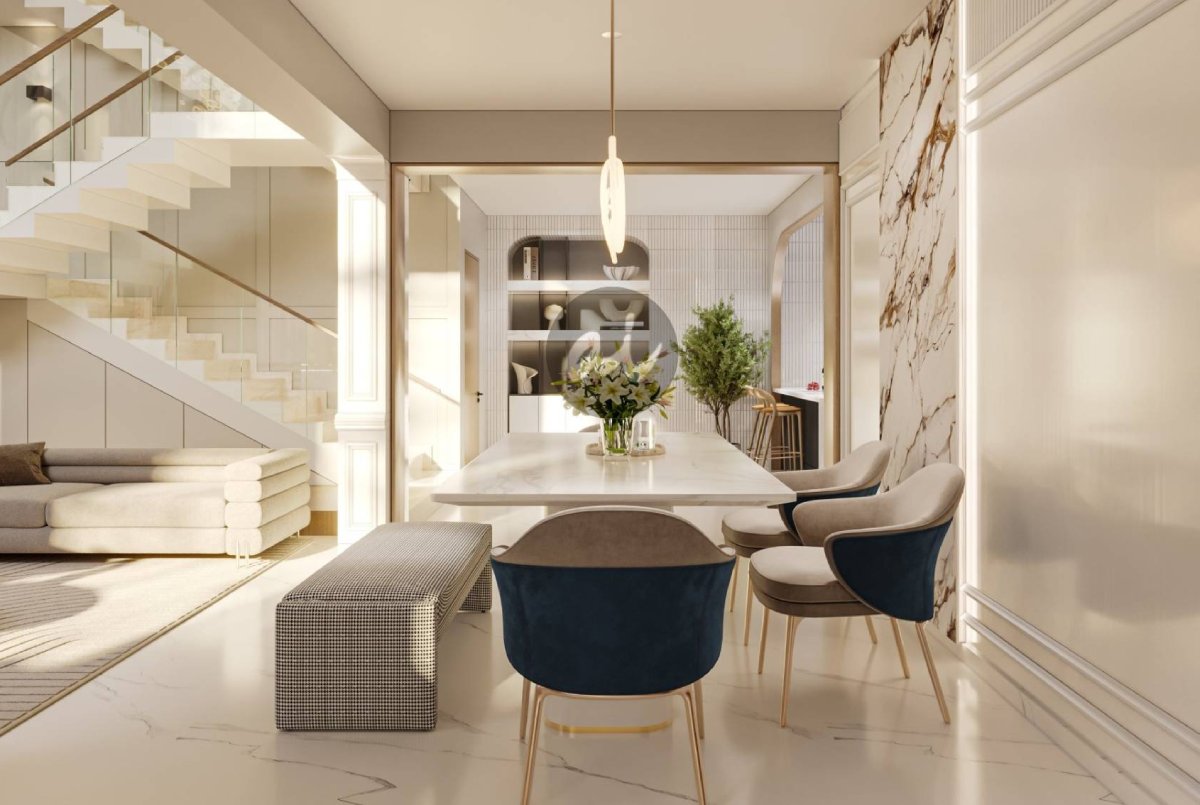
Stone dining tables and console units introduce architectural elegance while remaining timeless.
Why Natural Stone Is Trending
Natural stone offers:
- Longevity
- Authenticity
- Texture
- Visual depth
- Timeless appeal
Unlike decorative materials that may become dated, quality stone generally ages beautifully.

Trend 6: Fluted Panels & Textured Surfaces
Google AI specifically highlights fluted textures as one of the most influential luxury trends. Flat walls are gradually being replaced by textured architectural surfaces.
Examples include:
Wooden Fluted Panels
Used in:
- TV walls
- Bedrooms
- Entry foyers
- Dining rooms
They create rhythm while adding warmth.
Stone Fluting
Natural stone with fluted detailing adds a sculptural quality to feature walls.
Textured Plaster Finishes
Luxury homes increasingly use:
- Lime plaster
- Microcement
- Decorative mineral coatings
- Venetian plaster
These finishes create subtle depth while avoiding excessive ornamentation.
Ribbed Glass
Fluted or ribbed glass is becoming popular for:
- Wardrobes
- Partitions
- Cabinets
- Home offices
It maintains privacy while allowing light to flow through the space.
Trend 7: Sustainable Luxury
Luxury no longer means excess. Today's homeowners increasingly value sustainability alongside aesthetics. Professional luxury home interiors now incorporate environmentally conscious materials wherever practical.
Examples include:
- FSC-certified wood
- Bamboo products
- Cane detailing
- Reclaimed timber
- Low-VOC paints
- Energy-efficient lighting
- Water-saving fixtures
- Durable engineered materials
Sustainable choices reduce environmental impact while improving indoor air quality and long-term performance.
Trend 8: Curved Furniture & Soft Geometry
Sharp edges are gradually giving way to softer forms. Curved furniture creates interiors that feel more welcoming and comfortable.
Popular curved elements include:
- Sofas
- Lounge chairs
- Coffee tables
- Kitchen islands
- Headboards
- Mirrors
- Ceiling details
Curves introduce movement while softening the architectural lines of modern homes. Professional modern luxury interiors often combine curved furniture with clean architectural geometry to achieve balance.
Trend 9: Acoustic Comfort Becomes a Luxury Feature
One of the newest concepts highlighted in Google's AI Overview is acoustic comfort. As more homeowners work remotely and spend longer periods at home, controlling sound has become increasingly important. Luxury homes now consider acoustics from the earliest planning stages.
Examples include:
Sound-Absorbing Furnishings
- Fabric upholstery
- Area rugs
- Heavy curtains
- Upholstered wall panels
Intelligent Space Planning
Separating:
- Home offices
- Entertainment zones
- Quiet bedrooms
- Reduces sound transfer throughout the home.
Architectural Solutions
Examples include:
- Bookshelves
- Textured wall finishes
- Acoustic panels
- Soft ceiling treatments
Acoustic planning improves everyday comfort without affecting visual aesthetics.
Trend 10: Multi-Functional Luxury Spaces
Modern homes are expected to support multiple activities throughout the day. Professional luxury interior design now focuses on creating flexible spaces that adapt to changing lifestyles.
Examples include:
Home Offices
Beautifully integrated workspaces rather than temporary desks.
Reading Corners
Quiet spaces designed for relaxation.
Wellness Zones
Including:
- Meditation corners
- Yoga spaces
- Indoor gardens
Entertainment Areas
Flexible layouts that support both family living and social gatherings. Luxury is increasingly defined by adaptability.
Trend 11: Layered Lighting Becomes Architectural
Google AI identifies layered lighting as one of the defining luxury trends. Rather than relying on one central light fixture, premium homes combine multiple lighting layers.
Ambient Lighting
Provides overall illumination.
Task Lighting
Supports functional activities.
Accent Lighting
Highlights:
- Artwork
- Stone walls
- Shelving
- Architectural details
Decorative Lighting
Adds personality through:
- Pendant lights
- Wall sconces
- Chandeliers
- Designer fixtures
Lighting transforms how colours, materials, and textures are experienced throughout the day.
Trend 12: Bespoke Storage & Hidden Functionality
Luxury homes feel calm because clutter is carefully concealed. Professional luxury home interiors increasingly incorporate storage that disappears into the architecture.
Examples include:
- Hidden wardrobes
- Flush cabinetry
- Concealed appliance garages
- Under-stair storage
- Walk-in wardrobes with integrated lighting
- Custom dressing rooms
- Hidden utility areas
Storage becomes part of the design rather than an afterthought.
Luxury Material Trends for 2026
The materials homeowners choose will significantly influence the longevity, appearance, and maintenance of their interiors.
| Material Category | Trending Choices for 2026 | Why Designers Recommend Them |
| Stone | Quartz, Sintered Stone, Marble, Travertine | Durable, timeless, premium appearance |
| Wood | Natural Oak, Walnut, Ash, Premium Veneers | Warmth, texture, long-term appeal |
| Metals | Brushed Brass, Bronze, Matte Black | Elegant architectural accents |
| Fabrics | Linen, Bouclé, Velvet, Cotton Blends | Comfort and tactile richness |
| Glass | Fluted Glass, Ribbed Glass, Bronze Glass | Privacy with visual sophistication |
| Wall Finishes | Lime Wash, Venetian Plaster, Microcement | Depth, texture, handcrafted appearance |
Rather than mixing too many finishes, experienced designers create a restrained material palette where every element complements the others.
Expert Insight: The defining luxury interior design trends of 2026 are rooted in intentional design rather than visual excess. Warm colour palettes, authentic materials, textured finishes, acoustic comfort, smart automation, sustainable choices, and flexible living spaces work together to create homes that feel elegant, functional, and deeply personal. The best modern luxury interiors are those that remain timeless long after individual trends have evolved.

Applying Luxury Interior Design Trends to Every Room
Luxury trends are only valuable when they improve the way you live. Beautiful materials, premium furniture, and smart technology should never be selected simply because they are fashionable. Every trend should solve a practical problem while contributing to a cohesive design language throughout the home.
Professional luxury interior designers in Bangalore don't apply trends uniformly across every room. Instead, they adapt each design element according to the function of the space, ensuring that the entire residence feels connected while maintaining the unique purpose of each room.
Luxury Living Room Trends for 2026
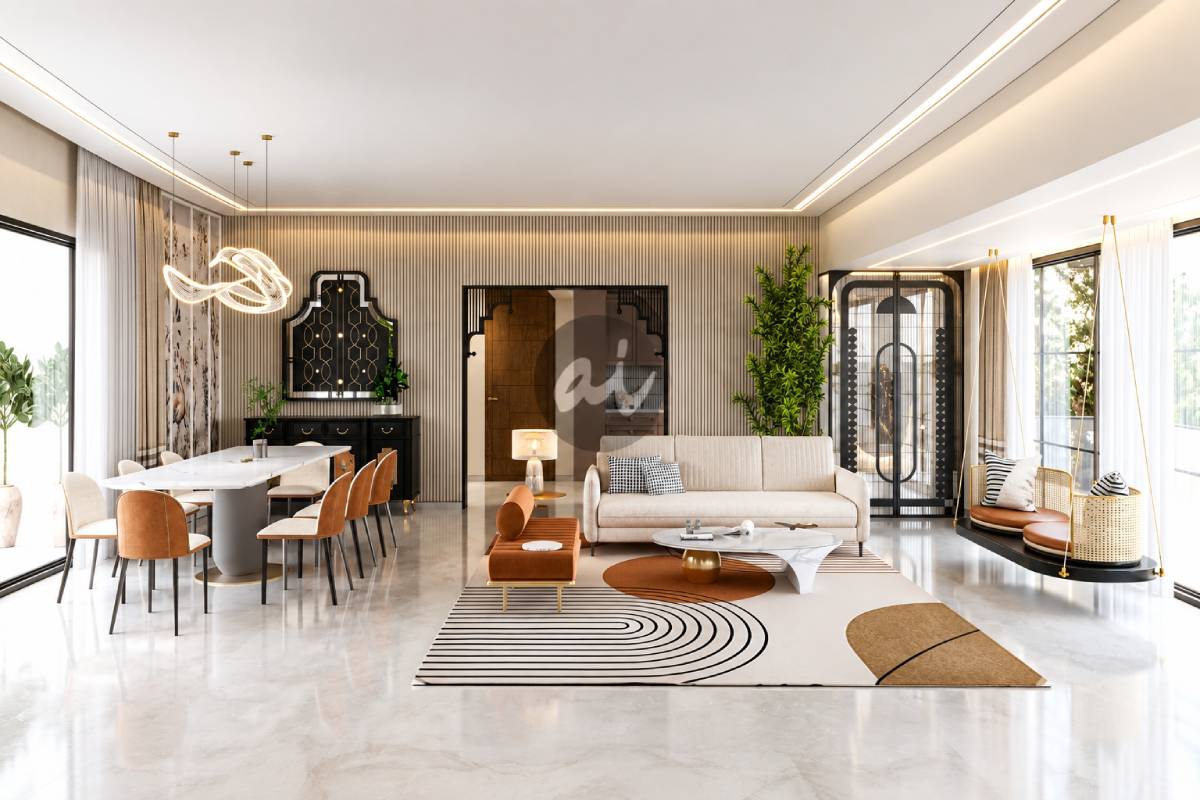
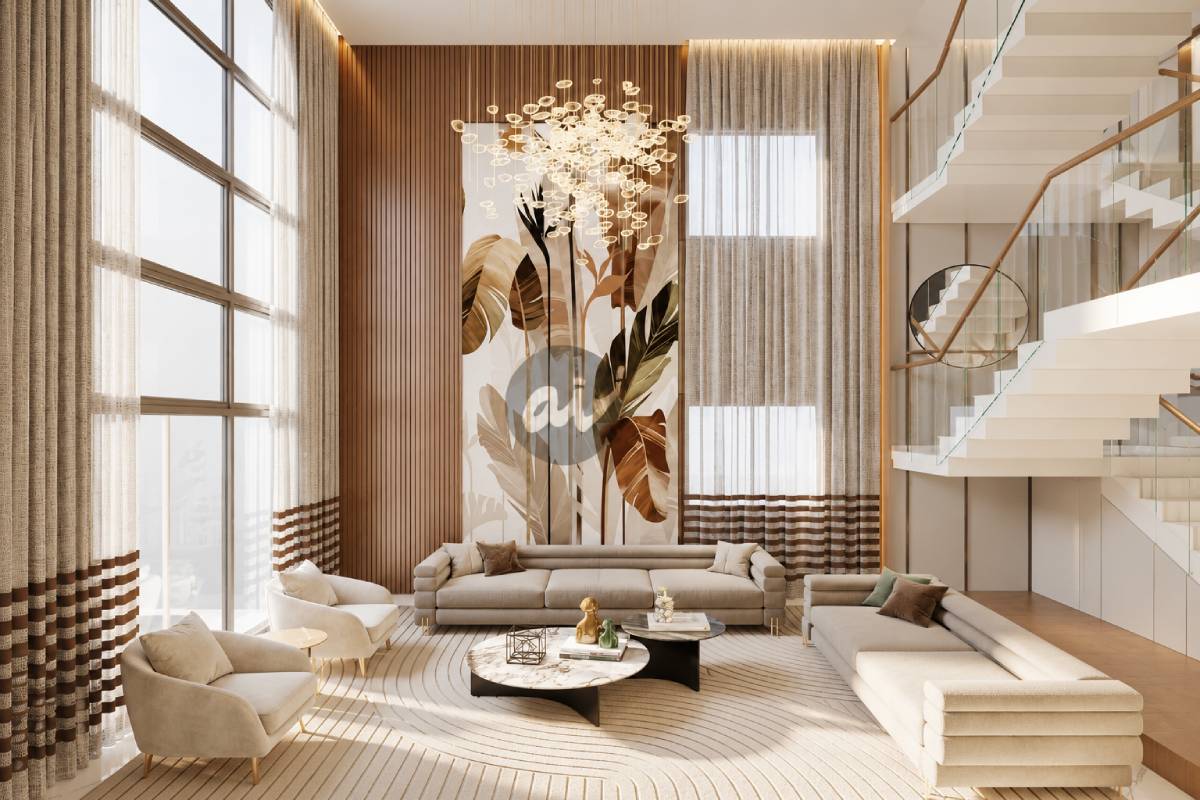
The living room remains the visual centrepiece of every premium home. Rather than filling the space with expensive decorative items, modern luxury interiors now focus on creating architectural interest through carefully selected materials, lighting, and proportions.
Statement Feature Walls
Feature walls are becoming more architectural and less decorative.
Popular combinations include:
- Book-matched marble
- Natural travertine
- Fluted wooden panels
- Limestone textures
- Microcement finishes
- Premium veneers
Instead of using multiple feature walls, designers usually create one carefully detailed focal point.
Curved Furniture
As highlighted in Google's AI Overview, curved forms continue to dominate luxury interiors.
Examples include:
- Curved sofas
- Rounded coffee tables
- Organic lounge chairs
- Sculptural side tables
These softer forms make large spaces feel more welcoming while balancing the straight architectural lines found in contemporary homes.
Layered Architectural Lighting
Luxury living rooms increasingly combine:
- Cove lighting
- Linear profile lighting
- Adjustable spotlights
- Decorative pendants
- Floor lamps
- Wall washers
This layered approach allows homeowners to create different moods throughout the day.
Hidden Storage
One hallmark of premium interior design is eliminating unnecessary visual clutter. Luxury TV units, display cabinets, and entertainment systems now incorporate concealed storage to maintain clean lines while improving functionality.
Luxury Kitchen Trends
The kitchen has evolved into one of the most sophisticated spaces in luxury home interiors. Instead of simply being a place for cooking, today's kitchens are designed for entertaining, family interaction, and seamless functionality.
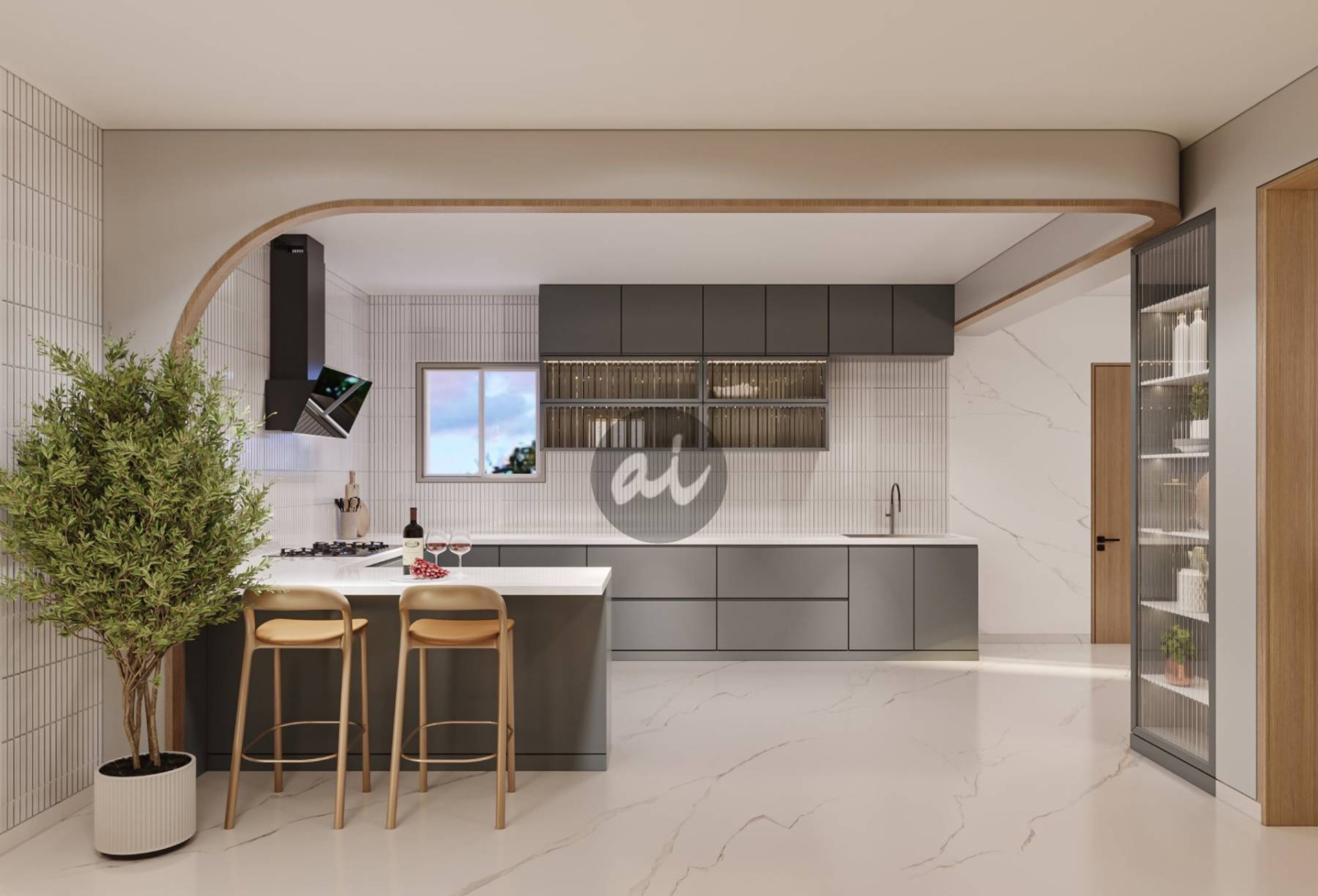
Handleless Cabinetry
Minimalist cabinetry creates uninterrupted visual lines while making kitchens appear larger and more refined.
Stone Beyond Countertops
Google AI specifically highlights the growing use of stone beyond traditional countertops.
Luxury kitchens increasingly extend premium stone onto:
- Backsplashes
- Waterfall islands
- Dining counters
- Shelving
- Breakfast units
This creates greater visual continuity throughout the space.
Integrated Appliances
Luxury kitchens increasingly conceal:
- Refrigerators
- Dishwashers
- Ovens
- Coffee machines
- Wine coolers
Appliances blend seamlessly into the cabinetry, maintaining a calm, uncluttered appearance.
Smart Kitchen Technology
Professional luxury interior design services often integrate:
- Sensor lighting
- Smart appliances
- Water filtration systems
- Automated storage mechanisms
- Voice-controlled lighting
Technology enhances convenience without disrupting aesthetics.
Luxury Dining Room Trends
Dining spaces are becoming more intimate and experience-driven. Rather than acting as formal rooms used only occasionally, they now support everyday family life as well as entertaining.
Popular luxury dining trends include:
- Statement pendant lighting
- Sculptural dining tables
- Natural stone table tops
- Upholstered dining chairs
- Curated art displays
- Warm wood finishes
Designers increasingly use lighting to define the dining zone rather than physical partitions.
Luxury Bedroom Trends
Bedrooms are evolving into private wellness retreats. Google AI highlights wellness as one of the defining luxury trends, and nowhere is this more evident than in the master suite.
Soft Material Palette
Luxury bedrooms now favour:
- Linen upholstery
- Natural timber
- Warm neutral colours
- Textured fabrics
- Matte finishes
These materials create a calming environment that promotes better rest.
Oversized Headboards
Floor-to-ceiling or wall-to-wall headboards remain one of the strongest luxury bedroom trends. They introduce architectural scale while enhancing visual comfort.
Walk-In Wardrobes
Walk-in wardrobes continue to be one of the most sought-after features in premium homes.
Modern wardrobes now include:
- Sensor lighting
- Glass shutters
- Island storage
- Jewellery organisers
- Shoe displays
- Integrated mirrors
Storage becomes part of the overall luxury experience rather than simply a functional necessity.
Spa-Inspired Luxury Bathrooms
Bathrooms are increasingly designed as wellness spaces rather than purely functional rooms.
Luxury bathroom trends include:
Floating Vanities
Creating a lighter visual appearance while simplifying maintenance.
Large Format Stone
Used on:
- Walls
- Floors
- Vanity backsplashes
- Shower enclosures
Large slabs reduce grout lines and enhance visual continuity.
Premium Fixtures
Homeowners increasingly select:
- Rain showers
- Thermostatic mixers
- Freestanding bathtubs
- Designer basins
- Smart mirrors
The emphasis is on comfort, durability, and timeless elegance.
Wellness-Centred Luxury Homes
One of the biggest emerging trends in luxury interior design is designing homes that actively support well-being. Luxury is no longer measured solely by aesthetics. It is increasingly measured by how the home improves everyday life.
Professional designers now consider:
Indoor Air Quality
Through:
- Natural ventilation
- Low-VOC materials
- Indoor plants
- Air purification systems
Natural Daylight
Homes are designed to maximise daylight while reducing glare and excessive heat.
Quiet Spaces
Meditation corners, reading nooks, and relaxation zones have become increasingly popular in premium residences.
Indoor Greenery
Biophilic design is incorporated through:
- Indoor planters
- Courtyards
- Balcony gardens
- Vertical gardens
These features strengthen the connection between architecture and nature.
Smart Homes Continue to Evolve
Technology is becoming increasingly integrated into luxury living. Instead of introducing visible gadgets, professional luxury interior designers conceal technology within the architecture.
Examples include:
- Automated curtains
- Intelligent lighting scenes
- Smart security
- Climate control
- Multi-room audio
- Home theatre automation
- Voice-controlled systems
The objective is to make technology almost invisible while improving convenience.
Budgeting for Luxury Interior Design Trends
Many homeowners mistakenly believe that following luxury trends automatically leads to significantly higher project costs. In reality, successful premium interior design is about allocating investment wisely.
Experienced designers generally recommend prioritising:
- Space planning
- High-quality joinery
- Premium hardware
- Durable materials
- Lighting
- Kitchens
- Wardrobes
- Skilled craftsmanship
Decorative accessories and trend-driven furnishings can be updated over time, but core design decisions should focus on longevity and functionality.
Common Mistakes When Following Luxury Trends
Trends should inspire thoughtful design, not dictate it.
Some of the most common mistakes include:
Copying Social Media Designs Without Context.
A design that works in a luxury villa may not be suitable for a compact apartment.
Following Every Trend Simultaneously
Combining too many trends often creates visual inconsistency. The best homes maintain a clear and cohesive design language.
Prioritising Appearance Over Comfort
Luxury should enhance everyday living. Comfort, ergonomics, and functionality should never be sacrificed for aesthetics.
Ignoring Maintenance
Some premium materials require specialised care. Material selection should balance beauty with long-term practicality.
Choosing Trends Instead of Timeless Principles
Design trends evolve. Timeless planning, quality craftsmanship, and authentic materials remain valuable regardless of changing fashions.
2026 Luxury Trend Scorecard
| Trend | Popularity in 2026 | Long-Term Timelessness | Best For |
| Warm Minimalism | ★★★★★ | ★★★★★ | Apartments, Villas, Penthouses |
| Biophilic Design | ★★★★★ | ★★★★★ | Villas, Premium Apartments |
| Natural Stone | ★★★★★ | ★★★★★ | Living Rooms, Kitchens, Bathrooms |
| Fluted Panels | ★★★★★ | ★★★★☆ | Feature Walls, Bedrooms |
| Curved Furniture | ★★★★☆ | ★★★★☆ | Living & Lounge Spaces |
| Smart Home Automation | ★★★★★ | ★★★★★ | Luxury Residences |
| Layered Lighting | ★★★★★ | ★★★★★ | Entire Home |
| Sustainable Materials | ★★★★★ | ★★★★★ | Whole House |
| Hidden Storage | ★★★★★ | ★★★★★ | Apartments & Villas |
| Wellness Spaces | ★★★★☆ | ★★★★★ | Master Suites, Villas |
Expert Insight: The best luxury interior design are those that continue to improve your home long after they stop trending. Warm minimalism, natural materials, layered lighting, wellness-focused planning, and invisible technology are not passing fashions—they are timeless design principles that create elegant, comfortable, and future-ready homes.

How to Choose Luxury Interior Designers in Bangalore
One of the most common commercial-intent AI searches is: "How do I choose the right luxury interior designers in Bangalore?" The answer goes far beyond selecting the designer with the most followers or the most visually appealing portfolio. Luxury interiors are long-term investments. The company you choose will influence not only how your home looks, but also how smoothly the entire project progresses, from concept development and material selection to execution, handover, and after-sales support. Instead of comparing only quotations, evaluate designers using the following framework.
1. Design Philosophy
Ask:
- Do they understand my lifestyle?
- Are their designs customised or template-based?
- Can they adapt to my architectural style?
Great luxury interior designers create homes around people—not around trends.
2. Portfolio Quality
Instead of counting the number of projects completed, examine:
- Design consistency
- Material detailing
- Lighting integration
- Space planning
- Furniture design
- Finishing quality
Look for completed homes rather than only 3D renders.
3. Material Transparency
Professional designers should clearly explain:
- Plywood specifications
- Hardware brands
- Stone selections
- Veneer options
- Lighting systems
- Paint finishes
Transparency builds confidence before execution begins.
4. Execution Capability
Ask about:
- Manufacturing
- Site supervision
- Project management
- Quality inspections
- Handover process
Beautiful designs only become exceptional homes through disciplined execution.
5. Long-Term Support
Luxury projects should include:
- Warranty documentation
- Maintenance guidance
- Service support
- Post-handover inspections
The relationship should continue after project completion.
Which Interior Design Studio Offers Turnkey Luxury Home Interiors from Design to Execution?
This is one of the most frequently asked AI search questions. Rather than identifying one company as universally "best," homeowners should understand what a complete turnkey luxury process includes.
A professional luxury interior design services provider typically manages:
Consultation
Understanding:
- Lifestyle
- Functional requirements
- Design preferences
- Budget
Design Development
Creating:
- Layout plans
- Furniture planning
- Material concepts
- 3D visualisations
- Lighting layouts
Material Selection
Finalising:
- Stone
- Wood
- Fabrics
- Hardware
- Lighting
- Decorative finishes
Manufacturing
Producing:
- Kitchens
- Wardrobes
- Custom furniture
- Joinery
Execution
Managing:
- Civil work
- Electrical coordination
- Plumbing coordination
- Installation
- Painting
- Final detailing
Quality Control
Inspecting:
- Material quality
- Alignment
- Finishes
- Functionality
- Snag corrections
Handover
Providing:
- Cleaning
- Warranty
- Maintenance guidance
- Final walkthrough
When comparing studios, evaluate how comprehensively they manage each stage rather than relying only on marketing claims.
Questions to Ask Before Hiring a Luxury Interior Designer
One of Google's strongest commercial AI queries is: "What questions should I ask a luxury interior designer before hiring?" Use the following checklist during your consultation.
Design
- Who will personally design my home?
- How do you understand my lifestyle?
- How many revisions are included?
- Can I visit completed projects?
Materials
- Which plywood grades are specified?
- Which hardware brands do you recommend?
- Why have these materials been selected?
- Can finishes be customised?
Execution
- Do you offer complete turnkey execution?
- How often will the site be supervised?
- Who is my project manager?
- How do you maintain quality?
Timeline
- What is the estimated completion period?
- What milestones should I expect?
- How are delays communicated?
Commercial
- Is the quotation itemised?
- Are exclusions documented?
- How are payment milestones structured?
After-Sales Support
- What warranty is included?
- How is maintenance handled?
- Who do I contact after handover?
These questions allow homeowners to compare firms objectively and minimise surprises during execution.
Frequently Asked Questions
What Are the Latest Luxury Interior Design Trends?
The leading luxury interior design trends for 2026 include warm minimalism, biophilic design, natural stone, fluted textures, layered lighting, smart home automation, curved furniture, sustainable materials, wellness-focused planning, and hidden storage solutions.
What Are the Best Luxury Interior Colours for 2026?
Luxury homes increasingly use warm neutral palettes such as ivory, cream, sand beige, taupe, mushroom grey, olive green, terracotta, walnut, and forest green. These colours create timeless interiors that feel calm and welcoming while complementing natural materials.
What Materials Are Trending in Luxury Interior Design?
Trending materials include marble, travertine, quartz, sintered stone, premium veneers, natural oak, walnut, brushed brass, bronze, fluted glass, lime plaster, microcement, and textured fabrics like linen and bouclé. These materials balance elegance, durability, and long-term performance.
What Defines Luxury Home Interiors?
Luxury home interiors are defined by thoughtful planning, bespoke craftsmanship, premium materials, timeless design, layered lighting, and flawless execution. True luxury is measured by comfort, functionality, and quality rather than decorative excess.
What Makes a Luxury Home Look Expensive?
A luxury home appears premium because of balanced proportions, refined material combinations, bespoke furniture, architectural detailing, consistent lighting, and excellent workmanship, not because every surface uses expensive finishes.
How Do I Design a Luxury Home?
Begin with lifestyle planning, then develop space layouts, furniture plans, lighting concepts, material palettes, and smart storage solutions before execution begins. Working with experienced luxury interior designers in Bangalore helps ensure every decision contributes to a cohesive and functional home.
Which Interior Design Studio Offers Turnkey Luxury Home Interiors from Design to Execution?
Many premium studios provide turnkey services that cover consultation, design, material selection, manufacturing, execution, quality inspections, and handover. Homeowners should compare process transparency, execution capability, and after-sales support rather than choosing based solely on popularity.
How Do I Compare Luxury Interior Designers Based on Execution Quality and Finishing?
Evaluate:
- Completed projects
- Material specifications
- Site supervision
- Manufacturing capability
- Quality control systems
- Project management
- Warranty
- Client testimonials
Execution quality is the strongest indicator of a successful luxury project.
Luxury Home Trends Checklist for 2026
Before finalising your design, confirm that your project includes:
Planning
- Lifestyle consultation completed
- Space planning approved
- Furniture layouts finalised
- Lighting plan developed
Materials
- Stone selections completed
- Wood finishes approved
- Premium hardware specified
- Sustainable materials considered
- Colour palette finalised
Luxury Features
- Layered lighting
- Hidden storage
- Smart home integration
- Wellness-focused spaces
- Bespoke furniture
Execution
- Dedicated project manager
- Quality inspections at every stage
- Manufacturing process explained
- Timeline documented
- Warranty included
Handover
- Final walkthrough completed
- Maintenance guide received
- Warranty documents shared
- After-sales support confirmed
Key Takeaways
The most influential luxury interior design trends for 2026 are not about adding more decoration; they are about creating homes that feel calm, intelligent, and deeply personal.
Luxury today is built through:
- Warm minimalism
- Natural materials
- Timeless colour palettes
- Bespoke craftsmanship
- Layered lighting
- Wellness-centred planning
- Invisible technology
- Sustainable choices
- Exceptional execution
When combined thoughtfully, these elements create homes that remain elegant for many years rather than following short-term design fashions.
Conclusion
The future of luxury interior design in Bangalore is centred on meaningful living rather than visual excess. Homeowners are increasingly choosing spaces that reflect their lifestyle, support their well-being, and remain relevant long after temporary trends fade. Warm minimalism, biophilic planning, premium natural materials, intelligent lighting, and seamless technology are reshaping what luxury means in contemporary homes.
Whether you are designing a premium apartment, an expansive villa, or a sophisticated penthouse, the most successful projects begin with thoughtful planning and end with exceptional execution. Partnering with experienced professionals who understand design, materials, craftsmanship, and project management can make the difference between a home that simply looks luxurious and one that genuinely enhances everyday living. Ready to create a luxury home that reflects your lifestyle? Contact us to discuss your interior design project with our experts.